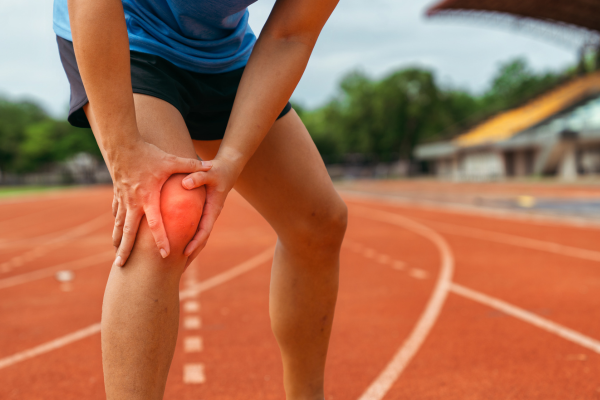
Comprehensive Sports Injury Treatment for Faster Recovery and Peak Performance
About Sports Injury Management
Symptoms of Sports Injuries
Consult our orthopedic specialists if you experience:
- Sudden pain during physical activity
- Swelling around a joint
- Bruising
- Joint instability
- Limited range of motion
- Muscle weakness
- Difficulty walking or running
- Clicking or locking of the joint
- Inability to bear weight
- Persistent pain after exercise
- Recurrent sports injuries
Causes of Sports Injuries
- Overuse Injuries – Repetitive stress on muscles, tendons, ligaments, or joints from continuous training or repetitive movements.
- Trauma or Accidents – Falls, collisions, twisting injuries, or direct impact during sports or recreational activities.
- Poor Training Technique – Incorrect exercise methods, improper body mechanics, or inadequate supervision during training.
- Inadequate Warm-Up – Failure to properly warm up or stretch before physical activity, increasing the risk of injury.
- Muscle Weakness or Imbalance – Reduced strength, flexibility, or poor muscle coordination leading to joint instability.
- Improper Equipment – Using inappropriate footwear, protective gear, or sports equipment that increases injury risk.
- Sudden Increase in Activity – Rapidly increasing training intensity, duration, or frequency without adequate conditioning.
- Lack of Physical Conditioning – Poor fitness levels, reduced endurance, or insufficient muscle strength contributing to injuries.
- Previous Sports Injuries – Incomplete rehabilitation or returning to sports too early after an injury.
- Poor Flexibility – Tight muscles and limited joint mobility increasing the likelihood of strains and sprains.
- Contact Sports – Physical contact during sports such as football, rugby, hockey, or martial arts leading to acute injuries.
- Fatigue – Physical exhaustion reducing coordination, balance, and reaction time, increasing the risk of injury.
- Uneven Playing Surfaces – Slippery, uneven, or poorly maintained fields and courts contributing to falls and joint injuries.
- Lack of Protective Measures – Failure to use appropriate braces, helmets, guards, or other protective equipment during sports.
- Improper Recovery – Inadequate rest between training sessions, leading to overtraining and increased injury risk.
Diagnosis & Evaluation
Our specialists perform a detailed assessment for an accurate diagnosis.
Medical Assessment
- Complete medical and injury history
- Physical examination
- Sports activity assessment
- Functional movement evaluation
Orthopedic Examination
- Joint stability testing
- Ligament assessment
- Muscle strength evaluation
- Range of motion assessment
Diagnostic Investigations
- Digital X-rays
- MRI Scan
- Ultrasound (when indicated)
- CT Scan (selected cases)
- Preoperative evaluation if surgery is required
Sports Injury Treatment Options
- Conservative Treatment – Non-surgical management tailored to the type and severity of the injury, including:
- Rest and activity modification
- Pain management
- Bracing or splinting
- Physiotherapy
- Strengthening and flexibility exercises
- Arthroscopic (Keyhole) Surgery – Minimally invasive surgery for ligament injuries, meniscus tears, cartilage damage, rotator cuff tears, and other shoulder injuries.
- Ligament Reconstruction – Advanced surgical reconstruction for torn ligaments such as the ACL, PCL, and other major ligament injuries to restore joint stability.
- Tendon & Muscle Repair – Surgical treatment for severe tendon ruptures, muscle tears, and soft tissue injuries to restore strength and function.
- Meniscus Repair – Arthroscopic repair or partial removal of torn knee cartilage to preserve joint function whenever possible.
- Cartilage Restoration Procedures – Advanced techniques to repair or restore damaged joint cartilage in selected patients.
- Fracture Management – Comprehensive treatment for sports-related fractures using modern orthopedic fixation techniques.
- Joint Stabilization Procedures – Surgical treatment for recurrent shoulder, knee, or ankle instability caused by sports injuries.
- Sports Medicine Rehabilitation – Individualized rehabilitation programs designed to restore strength, flexibility, coordination, balance, endurance, and sports performance.
- Return-to-Sport Assessment – Functional evaluation and guided rehabilitation to help athletes return to sports safely and reduce the risk of reinjury.
- Injury Prevention Programs – Personalized conditioning, strengthening, and movement training to minimize future sports-related injuries.
Benefits of Sports Injury Management
- Accurate diagnosis
- Faster pain relief
- Improved joint stability
- Restored strength and flexibility
- Faster return to sports
- Reduced risk of recurrent injuries
- Personalized rehabilitation
- Improved athletic performance
- Enhanced mobility
- Better long-term joint health
Why Choose Nirvi 2 Surgical and Maternity Hospital?
- Experienced Sports Injury Specialists – Orthopedic surgeons experienced in diagnosing and treating sports injuries across all age groups and activity levels.
- Advanced Diagnostic Technology – Modern imaging facilities and comprehensive clinical evaluation for precise diagnosis and personalized treatment planning.
- Personalized Treatment Plans – Customized care based on the type of injury, sport, fitness level, lifestyle, and recovery goals.
- Minimally Invasive Procedures – Advanced arthroscopic and minimally invasive techniques that support smaller incisions, reduced pain, and faster recovery when appropriate.
- Comprehensive Non-Surgical & Surgical Care – Complete treatment options ranging from conservative management and physiotherapy to advanced sports injury surgery.
- State-of-the-Art Surgical Facilities – Modern operation theaters equipped with advanced orthopedic technology, sterile environments, and comprehensive patient monitoring systems.
- Comprehensive Physiotherapy – Structured rehabilitation programs focused on restoring strength, flexibility, balance, coordination, endurance, and joint function.
- Sports-Specific Rehabilitation – Individualized rehabilitation plans tailored to the physical demands of your sport and performance goals.
- Return-to-Sport Guidance – Functional assessments and progressive rehabilitation to help athletes return to training and competition safely.
- Evidence-Based Treatment – Management guided by current orthopedic and sports medicine best practices for optimal recovery.
- Patient-Centered Care – Compassionate support from diagnosis through treatment, rehabilitation, and long-term follow-up.
- Complete Recovery Support – Ongoing care focused on injury prevention, performance optimization, and reducing the risk of future sports injuries.
Our Sports Injury Management Process
Step 1: Orthopaedic Consultation
Evaluation of symptoms, injury mechanism, sports participation, and medical history.
Step 2: Clinical Examination
Detailed orthopedic assessment and functional evaluation.
Step 3: Diagnostic Imaging
X-rays, MRI, ultrasound, or CT scans to confirm the diagnosis.
Step 4: Personalized Treatment Plan
Selection of the most appropriate non-surgical or surgical treatment based on the injury.
Step 5: Treatment
Conservative management, arthroscopic surgery, ligament reconstruction, or fracture care as required.
Step 6: Rehabilitation
Progressive physiotherapy to restore movement, strength, flexibility, and sports-specific skills.
Step 7: Return-to-Sport Assessment
Final evaluation, injury prevention education, and guidance for a safe return to sports and physical activities