
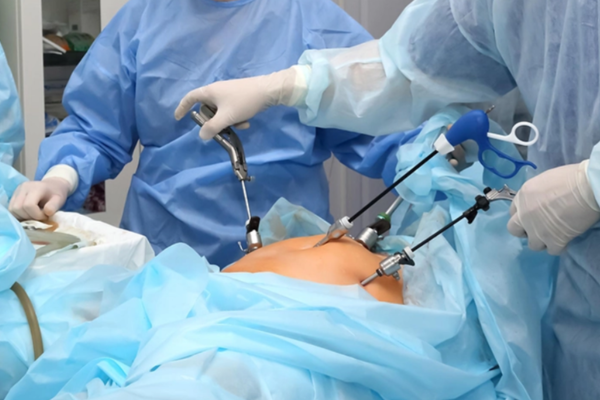
Advanced Minimally Invasive Diagnosis and Treatment for Female Reproductive Health
About Laparohysteroscopy
Laparohysteroscopy is a combined surgical procedure that includes:
Laparoscopy
A minimally invasive procedure where a thin telescope (laparoscope) is inserted through small abdominal incisions to examine the pelvic organs.
Hysteroscopy
A procedure in which a thin camera (hysteroscope) is inserted through the vagina and cervix to examine the inside of the uterus.
Together, these procedures help diagnose and treat conditions affecting fertility, menstrual health, pelvic pain, and reproductive function without the need for major surgery.
Symptoms That May Require Laparohysteroscopy
Your gynecologist may recommend laparohysteroscopy if you experience:
- Difficulty conceiving (Infertility)
- Recurrent miscarriages
- Irregular menstrual cycles
- Heavy menstrual bleeding
- Abnormal uterine bleeding
- Chronic pelvic pain
- Painful periods
- Endometriosis symptoms
- Suspected uterine abnormalities
- Pelvic adhesions
- Fibroids or ovarian cysts
- Blocked fallopian tubes
Early evaluation can help identify the underlying cause and improve treatment outcomes.
Causes and Conditions Diagnosed with Laparohysteroscopy
✔ Female Infertility
Comprehensive evaluation of the reproductive organs to identify and treat factors affecting conception and fertility.
✔ Endometriosis
Accurate diagnosis and treatment of endometrial tissue growing outside the uterus, helping relieve pain and improve fertility outcomes.
✔ Uterine Fibroids
Detection and minimally invasive removal of fibroids that may affect fertility, menstrual cycles, or overall reproductive health.
✔ Ovarian Cysts
Diagnosis and treatment of ovarian cysts while preserving healthy ovarian tissue whenever possible.
✔ Tubal Blockage
Assessment of fallopian tube patency and treatment of blockages that may interfere with natural conception.
✔ Uterine Septum and Congenital Abnormalities
Correction of structural abnormalities within the uterus to improve reproductive function and pregnancy outcomes.
✔ Pelvic Adhesions
Identification and removal of scar tissue or adhesions affecting the uterus, ovaries, or fallopian tubes.
✔ Recurrent Pregnancy Loss
Investigation and management of uterine and pelvic factors that may contribute to repeated miscarriages.
✔ Abnormal Uterine Bleeding
Evaluation and treatment of uterine conditions causing irregular, heavy, or prolonged menstrual bleeding.
✔ Chronic Pelvic Pain
Diagnosis and treatment of underlying gynecological conditions responsible for persistent pelvic discomfort and pain.
Diagnosis Through Laparohysteroscopy
Before the procedure, our specialists may recommend:
- Detailed medical history review
- Pelvic examination
- Ultrasound scan
- Hormonal evaluation
- Blood investigations
- Fertility assessment
- Semen analysis (for infertility evaluation)
Laparohysteroscopy provides direct visualization of reproductive organs, making it one of the most accurate diagnostic methods in gynecology.
Treatment Options During Laparohysteroscopy
Diagnostic Laparohysteroscopy
Used to identify the cause of infertility, abnormal bleeding, pelvic pain, and reproductive disorders.
Operative Laparoscopy
Treatment of conditions such as:
- Endometriosis
- Ovarian cysts
- Fibroids
- Pelvic adhesions
- Ectopic pregnancy
- Tubal disorders
Operative Hysteroscopy
Treatment of intrauterine conditions including:
- Endometrial polyps
- Uterine septum
- Submucosal fibroids
- Adhesions inside the uterus
- Abnormal uterine bleeding
Many conditions can be diagnosed and treated during the same procedure.
Benefits of Laparohysteroscopy
- Minimally invasive procedure
- Accurate diagnosis of infertility causes
- Simultaneous diagnosis and treatment
- Smaller incisions and minimal scarring
- Reduced postoperative pain
- Faster recovery
- Short hospital stay
- Improved fertility outcomes
- Lower risk of complications
- Quicker return to daily activities
Why Choose Nirvi 2 Surgical and Maternity Hospital?
✔ Experienced Gynecologic Surgeons
Highly skilled specialists with extensive expertise in advanced laparoscopic and hysteroscopic procedures.
✔ Advanced Endoscopic Technology
Modern laparoscopic and hysteroscopic equipment enables precise diagnosis and minimally invasive treatment.
✔ Comprehensive Fertility Evaluation
Integrated infertility assessment and reproductive health management under one roof.
✔ Personalized Treatment Plans
Customized treatment strategies tailored to each patient’s condition, fertility goals, and overall health.
✔ Safe Surgical Environment
State-of-the-art operation theaters equipped with advanced monitoring and safety systems.
✔ Faster Recovery and Better Outcomes
Minimally invasive techniques help reduce pain, minimize scarring, shorten hospital stays, and promote quicker recovery.
Our Laparohysteroscopy Treatment Process
Step 1: Consultation and Evaluation
Detailed review of symptoms, fertility history, and reproductive health concerns.
Step 2: Diagnostic Investigations
Ultrasound, blood tests, and preoperative assessments.
Step 3: Procedure Planning
Discussion of findings, treatment goals, and surgical approach.
Step 4: Laparohysteroscopy Procedure
Combined laparoscopy and hysteroscopy performed under anesthesia.
Step 5: Diagnosis and Treatment
Identification and management of abnormalities during the procedure.
Step 6: Recovery and Observation
Short recovery period with postoperative monitoring.
Step 7: Follow-Up Care
Review of findings, treatment outcomes, and future fertility or health planning.