
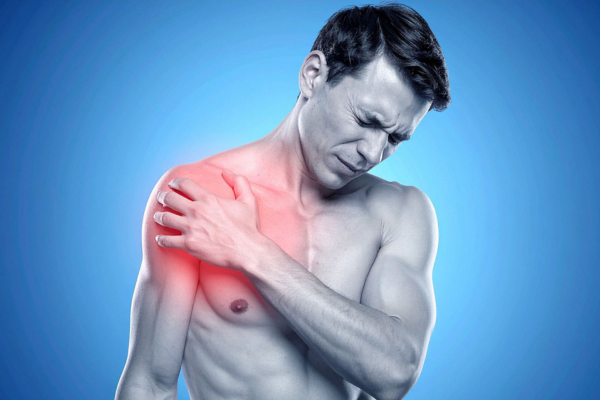
Advanced Shoulder Surgery for Pain Relief and Restored Mobility
About Shoulder Surgery
Symptoms That May Require Shoulder Surgery
You may benefit from shoulder surgery if you experience:
- Persistent shoulder pain
- Shoulder stiffness
- Difficulty lifting the arm
- Weakness in the shoulder
- Recurrent shoulder dislocation
- Limited range of motion
- Shoulder instability
- Pain while sleeping on the affected side
- Clicking or catching sensation in the shoulder
- Sports-related shoulder injuries
- Shoulder pain that does not improve with conservative treatment
Causes of Shoulder Problems
- Rotator Cuff Tear – Tears of the tendons that stabilize and move the shoulder, causing pain, weakness, and reduced function.
- Shoulder Impingement Syndrome – Compression of shoulder tendons or bursa leading to pain and restricted movement.
- Shoulder Instability – Recurrent shoulder dislocations caused by ligament injuries, labral tears, or joint laxity.
- Frozen Shoulder (Adhesive Capsulitis) – Severe stiffness and restricted shoulder movement that does not respond to conservative treatment.
- Shoulder Arthritis – Degeneration of the shoulder joint causing chronic pain, stiffness, and reduced range of motion.
- Labral Tears – Injury to the cartilage surrounding the shoulder socket, resulting in pain, instability, and clicking sensations.
- Shoulder Fractures – Fractures involving the clavicle, scapula, or upper arm bone (proximal humerus) that may require surgical fixation.
- Sports Injuries – Shoulder injuries caused by repetitive overhead activities, contact sports, or trauma.
- Biceps Tendon Injuries – Partial or complete tears of the biceps tendon causing pain, weakness, and limited arm function.
- Acromioclavicular (AC) Joint Injuries – Shoulder separation or ligament injuries affecting the AC joint.
- Calcific Tendinitis – Calcium deposits within the rotator cuff tendons causing severe pain and inflammation.
- Shoulder Dislocation – Acute or recurrent shoulder dislocations requiring surgical stabilization.
- Shoulder Joint Infection – Selected cases of joint infection requiring surgical drainage and treatment.
- Shoulder Deformities – Structural abnormalities affecting shoulder alignment and function.
- Failed Previous Shoulder Surgery – Persistent pain, instability, or recurrent symptoms requiring revision shoulder surgery.
Diagnosis & Evaluation
Our orthopedic specialists perform a comprehensive assessment before recommending surgery.
Medical Evaluation
- Detailed medical history
- Physical examination
- Assessment of symptoms
- Review of previous treatments
Shoulder Examination
- Range of motion evaluation
- Strength testing
- Stability assessment
- Functional assessment
Diagnostic Investigations
- Digital X-rays
- MRI scan
- CT scan (when required)
- Ultrasound examination (selected cases)
- Blood investigations
- Pre-anesthetic evaluation
Shoulder Surgery Treatment Options
- Arthroscopic Shoulder Surgery – Minimally invasive keyhole surgery used to diagnose and treat many shoulder conditions through small incisions.
- Rotator Cuff Repair – Surgical repair of torn shoulder tendons to restore strength, stability, and range of motion.
- Shoulder Stabilization Surgery – Treatment for recurrent shoulder dislocations and instability by repairing damaged ligaments and soft tissues.
- Labral Repair – Repair of damaged shoulder cartilage (labrum) to improve joint stability and function.
- Shoulder Replacement Surgery – Replacement of damaged shoulder joint surfaces in patients with advanced arthritis or severe joint damage.
- Reverse Shoulder Replacement – Specialized shoulder replacement procedure for patients with severe rotator cuff damage and shoulder arthritis.
- Fracture Fixation Surgery – Surgical stabilization of shoulder fractures using modern orthopedic implants and techniques.
- Biceps Tendon Repair & Tenodesis – Treatment for damaged or torn biceps tendons to relieve pain and restore shoulder function.
- Acromioclavicular (AC) Joint Reconstruction – Surgical repair of AC joint injuries and shoulder separations.
- Subacromial Decompression – Arthroscopic procedure to relieve shoulder impingement by creating more space for the rotator cuff tendons.
- Capsular Release for Frozen Shoulder – Arthroscopic release of tight shoulder capsule to improve movement and reduce stiffness.
- Calcific Tendinitis Removal – Arthroscopic removal of calcium deposits causing persistent shoulder pain and inflammation.
- Revision Shoulder Surgery – Corrective procedures for failed previous shoulder surgeries or recurrent shoulder problems.
- Sports Injury Surgery – Advanced surgical treatment for shoulder injuries related to sports and repetitive overhead activities.
Benefits of Shoulder Surgery
- Effective pain relief
- Improved shoulder mobility
- Restored shoulder strength
- Better joint stability
- Enhanced quality of life
- Improved ability to perform daily activities
- Faster recovery with minimally invasive techniques (when appropriate)
- Improved sports performance after rehabilitation
- Reduced risk of recurrent shoulder dislocation
- Long-term functional improvement
Why Choose Nirvi 2 Surgical and Maternity Hospital?
- Experienced Orthopedic & Shoulder Surgeons – Highly skilled specialists experienced in diagnosing and treating a wide range of shoulder conditions using advanced surgical techniques.
- Personalized Treatment Plans – Customized care based on your diagnosis, age, activity level, lifestyle, and recovery goals.
- Advanced Surgical Techniques – Modern arthroscopic (keyhole) and open shoulder procedures performed with precision, safety, and evidence-based practices.
- Advanced Diagnostic Evaluation – Comprehensive clinical assessment and advanced imaging for accurate diagnosis and individualized surgical planning.
- State-of-the-Art Operation Theaters – Advanced surgical infrastructure equipped with modern operation theaters, sterile environments, and patient monitoring systems.
- Minimally Invasive Arthroscopic Surgery – Small-incision techniques designed to reduce pain, minimize scarring, and promote faster recovery whenever appropriate.
- Sports Injury Expertise – Specialized treatment for rotator cuff tears, labral injuries, shoulder instability, tendon injuries, and other sports-related shoulder conditions.
- Comprehensive Rehabilitation – Dedicated physiotherapy programs designed to restore shoulder strength, flexibility, stability, and function.
- Comprehensive Pain Management – Evidence-based pain control strategies to enhance comfort during recovery and rehabilitation.
- Evidence-Based Treatment – Treatment guided by current orthopedic best practices and individualized patient care.
- Patient-Centered Care – Compassionate support from diagnosis through surgery, rehabilitation, and long-term follow-up.
- Focus on Long-Term Shoulder Function – Committed to relieving pain, restoring mobility, improving strength, and helping patients safely return to daily activities, work, and sports.
Our Shoulder Surgery Process
Step 1: Orthopedic Consultation
Discussion of symptoms, medical history, and lifestyle requirements.
Step 2: Comprehensive Evaluation
Physical examination, shoulder assessment, and diagnostic imaging.
Step 3: Personalized Treatment Planning
Selection of the most appropriate surgical procedure based on your condition.
Step 4: Shoulder Surgery
The planned procedure is performed using minimally invasive or open surgical techniques under appropriate anesthesia.
Step 5: Postoperative Care
Pain management, wound care, and early shoulder mobilization as appropriate.
Step 6: Physiotherapy & Rehabilitation
Structured rehabilitation program to restore shoulder strength, flexibility, and range of motion.
Step 7: Follow-Up Care
Regular follow-up appointments to monitor healing, recovery, and long-term shoulder function.