
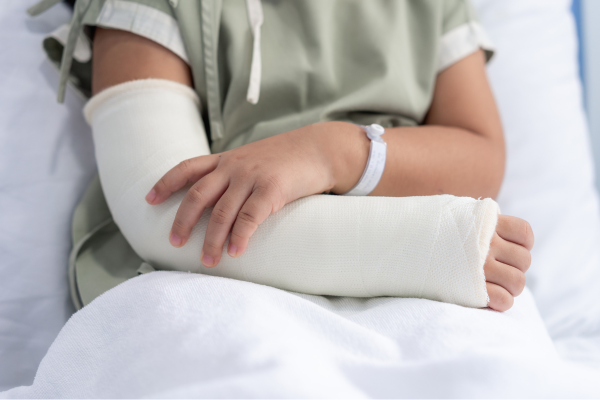
Expert Emergency Trauma & Fracture Care for Faster Recovery
About Trauma & Fracture Surgery
Symptoms That May Require Trauma & Fracture Surgery
Seek immediate medical attention if you experience:
- Severe pain after an injury
- Swelling around the injured area
- Visible bone deformity
- Inability to move or bear weight
- Open wounds with exposed bone
- Bruising and tenderness
- Joint instability
- Numbness or tingling
- Shortening or abnormal positioning of a limb
- Persistent pain after a fall or accident
Causes of Trauma & Fractures
- Road Traffic Accidents – High-impact injuries involving bones, joints, ligaments, and surrounding soft tissues.
- Falls – Falls at home, workplaces, during daily activities, or from heights causing fractures and joint injuries.
- Sports Injuries – Trauma sustained during athletic, recreational, or fitness-related activities.
- Workplace Accidents – Industrial, construction, and occupational injuries affecting the musculoskeletal system.
- Osteoporosis – Weakened bones that fracture easily, particularly in older adults, even after minor falls.
- Direct Trauma – Injuries caused by heavy objects, physical impact, crush injuries, or violence.
- Slip and Fall Accidents – Sudden slips or trips resulting in fractures, sprains, and dislocations.
- Twisting Injuries – Sudden twisting movements causing fractures, ligament tears, or joint instability.
- Bone Weakness Due to Medical Conditions – Conditions such as bone tumors, infections, or metabolic bone diseases that increase fracture risk.
- Repetitive Stress – Repeated loading of bones leading to stress fractures, especially in athletes and military personnel.
- High-Impact Activities – Injuries sustained during contact sports, adventure sports, or high-energy recreational activities.
- Age-Related Bone Fragility – Reduced bone density and balance problems increasing the likelihood of fractures in older adults.
- Industrial Machinery Injuries – Trauma caused by heavy equipment, machinery, or workplace tools.
- Assault or Physical Violence – Fractures and orthopedic injuries resulting from blunt force trauma or physical altercations.
- Pathological Fractures – Fractures occurring in bones weakened by underlying diseases such as tumors, infections, or severe osteoporosis.
Diagnosis & Evaluation
Our orthopedic trauma specialists perform a detailed evaluation to determine the type and severity of the injury.
Medical Assessment
- Detailed injury history
- Physical examination
- Neurovascular assessment
- Evaluation of associated injuries
Orthopedic Examination
- Bone alignment assessment
- Joint stability evaluation
- Range of motion assessment (where appropriate)
- Soft tissue examination
Diagnostic Investigations
- Digital X-rays
- CT Scan
- MRI Scan (if required)
- Blood investigations
- Pre-anesthetic evaluation for surgical cases
Trauma & Fracture Treatment Options
- Fracture Fixation Surgery – Internal fixation using plates, screws, rods, or intramedullary nails to stabilize broken bones and promote proper healing.
- Closed Reduction & Casting – Realignment of fractures without surgery, followed by immobilization with a cast, splint, or brace.
- Open Reduction & Internal Fixation (ORIF) – Surgical alignment and stabilization of complex, displaced, or unstable fractures using modern orthopedic implants.
- External Fixation – External stabilizing devices used for severe fractures, open fractures, multiple trauma, or temporary fracture stabilization.
- Joint Injury Management – Comprehensive treatment for fracture-dislocations, ligament injuries, tendon injuries, and joint instability.
- Dislocation Reduction – Prompt realignment of dislocated joints followed by appropriate immobilization and rehabilitation.
- Pelvic & Acetabular Fracture Management – Specialized treatment for complex pelvic and hip socket fractures.
- Hand & Foot Fracture Surgery – Surgical and non-surgical treatment for fractures involving the hands, wrists, feet, and ankles.
- Pediatric Fracture Care – Age-appropriate management of fractures and orthopedic injuries in children and adolescents.
- Sports Trauma Management – Treatment of fractures and musculoskeletal injuries sustained during sports and recreational activities.
- Revision Fracture Surgery – Corrective procedures for delayed union, nonunion, malunion, or failed previous fracture fixation.
- Rehabilitation & Physiotherapy – Personalized rehabilitation programs designed to restore movement, strength, flexibility, balance, and function after injury.
Benefits of Trauma & Fracture Surgery
- Accurate fracture alignment
- Stable bone fixation
- Faster bone healing
- Effective pain relief
- Improved limb function
- Restoration of joint mobility
- Reduced risk of long-term deformity
- Early mobilization and rehabilitation
- Improved quality of life
- Safe return to daily activities
Why Choose Nirvi 2 Surgical and Maternity Hospital?
- Experienced Orthopedic Trauma Surgeons – Highly skilled specialists experienced in managing simple, complex, and multiple fractures using advanced orthopedic techniques.
- Emergency Trauma Care – Prompt evaluation, diagnosis, and treatment for orthopedic emergencies to minimize complications and support faster recovery.
- Advanced Diagnostic Facilities – Modern X-ray, CT scan, MRI, and other imaging technologies for accurate diagnosis and precise surgical planning.
- Modern Surgical Techniques – Advanced fracture fixation procedures using high-quality plates, screws, rods, nails, and external fixation systems.
- State-of-the-Art Operation Theaters – Modern surgical facilities equipped with advanced orthopedic technology, sterile environments, and comprehensive patient monitoring systems.
- Comprehensive Fracture Management – Expert care for upper limb, lower limb, pelvic, joint, and complex trauma injuries with individualized treatment plans.
- Minimally Invasive Orthopedic Procedures – Selected fractures treated with minimally invasive techniques to reduce tissue damage and support faster recovery.
- High-Quality Orthopedic Implants – Use of internationally recognized implants designed for strength, stability, and long-term healing.
- Comprehensive Rehabilitation – Dedicated physiotherapy and rehabilitation programs focused on restoring strength, mobility, flexibility, balance, and function.
- Multidisciplinary Trauma Care – Coordinated treatment involving orthopedic surgeons, anesthesiologists, physiotherapists, rehabilitation specialists, and emergency care teams.
- Patient-Centered Care – Compassionate support from emergency treatment through surgery, rehabilitation, and long-term follow-up.
- Focus on Functional Recovery – Committed to relieving pain, promoting bone healing, restoring mobility, and helping patients safely return to daily activities and work.
Our Trauma & Fracture Surgery Process
Step 1: Emergency Assessment
Immediate evaluation, pain management, and stabilization of the injury.
Step 2: Diagnostic Imaging
X-rays, CT scans, or MRI to assess the fracture and surrounding tissues.
Step 3: Personalized Treatment Planning
Selection of the most appropriate non-surgical or surgical treatment based on the injury.
Step 4: Fracture Treatment
Fracture reduction, fixation, casting, or surgery using advanced orthopedic techniques.
Step 5: Postoperative Care
Pain management, wound care, and monitoring during hospital recovery.
Step 6: Rehabilitation
Structured physiotherapy to restore strength, flexibility, balance, and mobility.
Step 7: Follow-Up Care
Regular follow-up visits to monitor bone healing and ensure successful recovery.