Advanced Minimally Invasive Joint Surgery for Faster Recovery
About Arthroscopic (Keyhole) Surgery
Symptoms That May Require Arthroscopic Surgery
You may benefit from arthroscopic surgery if you experience:
- Persistent joint pain
- Joint stiffness
- Swelling of the joint
- Locking or catching sensation
- Joint instability
- Difficulty bending or straightening the joint
- Sports-related joint injuries
- Recurrent shoulder dislocation
- Knee injuries affecting daily activities
- Reduced range of motion
Conditions Treated with Arthroscopy
- Ligament Injuries – Treatment of torn or damaged ligaments affecting joint stability and function.
- Anterior Cruciate Ligament (ACL) Tears – Arthroscopic ACL reconstruction to restore knee stability and mobility.
- Posterior Cruciate Ligament (PCL) Injuries – Repair or reconstruction of PCL injuries to improve knee function.
- Meniscus Tears – Arthroscopic repair or partial removal of damaged knee cartilage to relieve pain and restore movement.
- Rotator Cuff Injuries – Minimally invasive treatment of shoulder tendon tears to reduce pain and improve shoulder strength.
- Shoulder Instability – Arthroscopic repair of recurrent shoulder dislocations, labral tears, and instability.
- Cartilage Damage – Management of damaged joint cartilage to reduce pain and preserve joint function.
- Loose Bodies – Removal of loose bone or cartilage fragments causing pain, locking, or restricted joint movement.
- Synovitis – Arthroscopic removal of inflamed joint lining to relieve pain and swelling.
- Impingement Syndrome – Treatment of shoulder impingement causing pain, weakness, and restricted movement.
- Labral Tears – Arthroscopic repair of torn labrum in the shoulder or hip to restore joint stability.
- Joint Stiffness – Arthroscopic release of scar tissue to improve range of motion and flexibility.
- Hip Impingement (FAI) – Treatment of femoroacetabular impingement to relieve hip pain and improve mobility.
- Ankle Ligament Injuries – Arthroscopic management of chronic ankle instability and ligament damage.
- Elbow Disorders – Treatment of loose bodies, tennis elbow, stiffness, and cartilage injuries using minimally invasive techniques.
- Diagnostic Arthroscopy – Direct visualization of the joint to diagnose and treat conditions when imaging alone is inconclusive.
Diagnosis & Evaluation
Before surgery, our orthopedic specialists perform a detailed assessment.
Medical Evaluation
- Complete medical history
- Physical examination
- Assessment of symptoms
- Review of previous treatments
Joint Examination
- Stability assessment
- Range of motion evaluation
- Pain localization
- Functional assessment
Diagnostic Investigations
- Digital X-rays
- MRI scan
- CT scan (if required)
- Blood investigations
- Pre-anesthetic evaluation
Arthroscopic Treatment Options
Knee Arthroscopy
Used to treat:
- Meniscus tears
- ACL injuries
- Cartilage damage
- Loose bodies
- Synovitis
Shoulder Arthroscopy
Used for:
- Rotator cuff repair
- Shoulder instability
- Labral tears
- Frozen shoulder
- Shoulder impingement
Ankle Arthroscopy
Treatment for:
- Cartilage injuries
- Ligament injuries
- Loose fragments
- Chronic ankle pain
Wrist & Elbow Arthroscopy
Performed in selected cases to treat joint injuries, stiffness, and cartilage disorders.
Benefits of Arthroscopic (Keyhole) Surgery
- Minimally invasive procedure
- Smaller incisions
- Less postoperative pain
- Reduced blood loss
- Lower risk of infection
- Faster recovery
- Shorter hospital stay
- Minimal scarring
- Earlier return to work and sports
- Improved joint function and mobility
Why Choose Nirvi 2 Surgical and Maternity Hospital?
- Experienced Orthopedic Surgeons – Highly skilled specialists with expertise in advanced arthroscopic surgery and sports injury management.
- Advanced Arthroscopic Technology – High-definition camera systems and modern minimally invasive surgical equipment for precise diagnosis and treatment.
- Personalized Treatment Plans – Customized care based on the affected joint, type of injury, activity level, and individual recovery goals.
- Comprehensive Diagnostic Evaluation – Thorough clinical assessment and advanced imaging for accurate diagnosis and treatment planning.
- State-of-the-Art Operation Theaters – Modern surgical facilities equipped with advanced patient monitoring systems and sterile operating environments.
- Minimally Invasive Techniques – Small incisions that help minimize tissue damage, postoperative pain, and visible scarring.
- Faster Recovery Protocols – Evidence-based rehabilitation strategies focused on early mobilization and a safe return to daily activities and sports.
- Comprehensive Rehabilitation – Dedicated physiotherapy programs designed to restore strength, flexibility, joint stability, and function.
- Sports Injury Expertise – Specialized treatment for ligament tears, meniscus injuries, rotator cuff tears, labral injuries, and cartilage damage.
- Joint Preservation Approach – Focus on preserving healthy joint structures whenever possible to maintain long-term joint health.
- Patient-Centered Care – Complete support from diagnosis through surgery, rehabilitation, and long-term follow-up.
- Focus on Long-Term Joint Function – Committed to reducing pain, restoring mobility, preventing recurrent injuries, and improving quality of life.
Our Arthroscopic Surgery Process
Step 1: Orthopedic Consultation
Discussion of symptoms, medical history, lifestyle, and treatment goals.
Step 2: Comprehensive Evaluation
Physical examination and imaging studies to diagnose the joint condition.
Step 3: Personalized Surgical Planning
Development of an individualized arthroscopic treatment plan.
Step 4: Arthroscopic Procedure
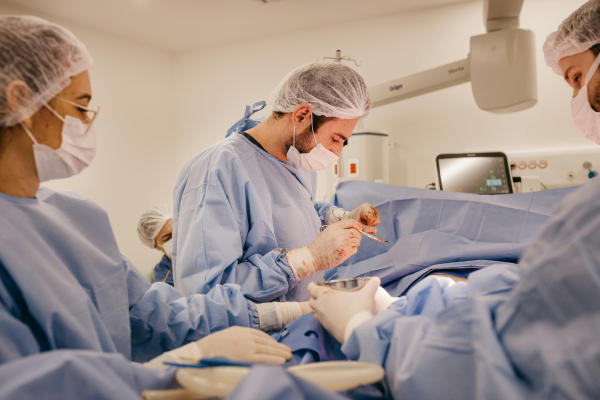
Minimally invasive surgery performed using an arthroscope and specialized instruments.
Step 5: Recovery & Observation
Postoperative monitoring, pain management, and early mobilization.
Step 6: Physiotherapy & Rehabilitation
Structured rehabilitation to restore joint movement, strength, and function.
Step 7: Follow-Up Care
Regular follow-up appointments to monitor healing and ensure long-term recovery.