
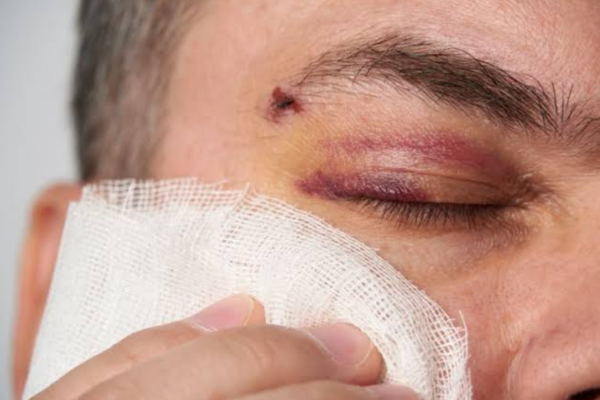
Expert Care for Facial Injuries, Fractures, and Soft Tissue Trauma
About Facial Trauma
Symptoms of Facial Trauma
You should seek immediate medical attention if you experience:
- Facial swelling
- Facial pain or tenderness
- Bleeding from the face or mouth
- Deep facial cuts or lacerations
- Bruising around the eyes or cheeks
- Difficulty opening or closing the mouth
- Jaw pain or misalignment
- Loose or broken teeth
- Nose deformity or bleeding
- Double vision or blurred vision
- Numbness of the face
- Difficulty breathing through the nose
- Facial asymmetry after injury
Causes of Facial Trauma
Facial injuries may occur due to:
- Road Traffic Accidents – Motor vehicle, motorcycle, and bicycle accidents are among the most common causes of facial trauma.
- Falls – Accidental falls at home, the workplace, or during recreational activities can result in facial injuries.
- Sports Injuries – Contact sports and other athletic activities may cause fractures, soft tissue injuries, or facial lacerations.
- Physical Assault – Direct impact to the face during interpersonal violence can lead to facial bone and soft tissue injuries.
- Workplace Injuries – Industrial, construction, or occupational accidents may result in complex facial trauma.
- Animal Bites – Animal or human bites can cause significant soft tissue damage, scarring, and facial deformities.
Diagnosis & Evaluation
Our specialists perform a comprehensive assessment to determine the extent of injury.
Emergency Assessment
- Airway, breathing, and circulation evaluation
- Control of bleeding
- Neurological examination
Physical Examination
- Facial bone assessment
- Soft tissue evaluation
- Jaw alignment examination
- Dental injury assessment
- Eye and vision evaluation
Diagnostic Investigations
- X-rays
- CT scan of the face
- Facial photographs (when required)
- Additional imaging based on the injury
Facial Trauma Treatment Options
Comprehensive treatment for facial bone fractures to restore normal appearance, function, and facial symmetry, including:
- Nasal (Nose) Fractures
- Cheekbone (Zygomatic) Fractures
- Upper Jaw (Maxillary) Fractures
- Lower Jaw (Mandibular) Fractures
- Eye Socket (Orbital) Fractures
- Forehead (Frontal Bone) Fractures
Soft Tissue Repair
Expert management of facial soft tissue injuries using meticulous reconstructive techniques, including:
- Facial Lacerations
- Deep Cuts and Wounds
- Skin Loss
- Muscle Injuries
- Lip Injuries
- Eyelid Injuries
Facial Reconstruction
Advanced reconstructive procedures to restore facial form, symmetry, and function following trauma using modern plastic and reconstructive surgery techniques.
Scar Revision
Specialized procedures to improve the appearance, texture, and function of scars resulting from facial injuries, burns, or previous surgery.
Secondary Reconstruction
Corrective surgery for deformities caused by previous facial trauma, inadequate healing, or delayed treatment to enhance both function and aesthetics
Benefits of Early Facial Trauma Treatment
- Restores facial symmetry
- Improves facial function
- Promotes proper bone healing
- Reduces the risk of infection
- Preserves facial appearance
- Minimizes visible scarring
- Improves chewing and speech
- Enhances breathing when nasal injuries are treated
- Supports long-term cosmetic and functional outcomes
- Improves quality of life
Why Choose Nirvi 2 Surgical and Maternity Hospital?
- Experienced Plastic & Reconstructive Surgeons – Highly skilled specialists with expertise in the evaluation and surgical management of complex facial injuries.
- Emergency Trauma Care – Prompt assessment and timely treatment for facial trauma to restore function and appearance.
- Advanced Diagnostic Evaluation – Comprehensive clinical assessment and advanced imaging for accurate diagnosis and effective treatment planning.
- Modern Reconstructive Techniques – Evidence-based surgical procedures focused on precision, functional restoration, minimal scarring, and aesthetic outcomes.
- State-of-the-Art Surgical Facilities – Fully equipped operation theaters with advanced technology and comprehensive patient safety systems.
- Multidisciplinary Care – Collaborative treatment involving maxillofacial surgeons, ENT specialists, ophthalmologists, anesthesiologists, and other experts whenever required.
- Comprehensive Rehabilitation – End-to-end postoperative care, including wound management, scar optimization, functional rehabilitation, and long-term follow-up for optimal recovery.
Our Facial Trauma Treatment Process
Step 1: Emergency Assessment
Immediate stabilization, pain management, and evaluation of facial injuries.
Step 2: Diagnostic Evaluation
Clinical examination and imaging to identify fractures and soft tissue damage.
Step 3: Personalized Treatment Planning
Development of an individualized surgical or non-surgical treatment plan.
Step 4: Facial Trauma Treatment
Repair of fractures, soft tissues, or facial structures using advanced reconstructive techniques.
Step 5: Recovery & Monitoring
Post-treatment observation, wound care, and pain management.
Step 6: Follow-Up Visits
Regular appointments to monitor healing and assess functional recovery.
Step 7: Long-Term Rehabilitation
Scar care, facial rehabilitation, and additional corrective procedures if required.